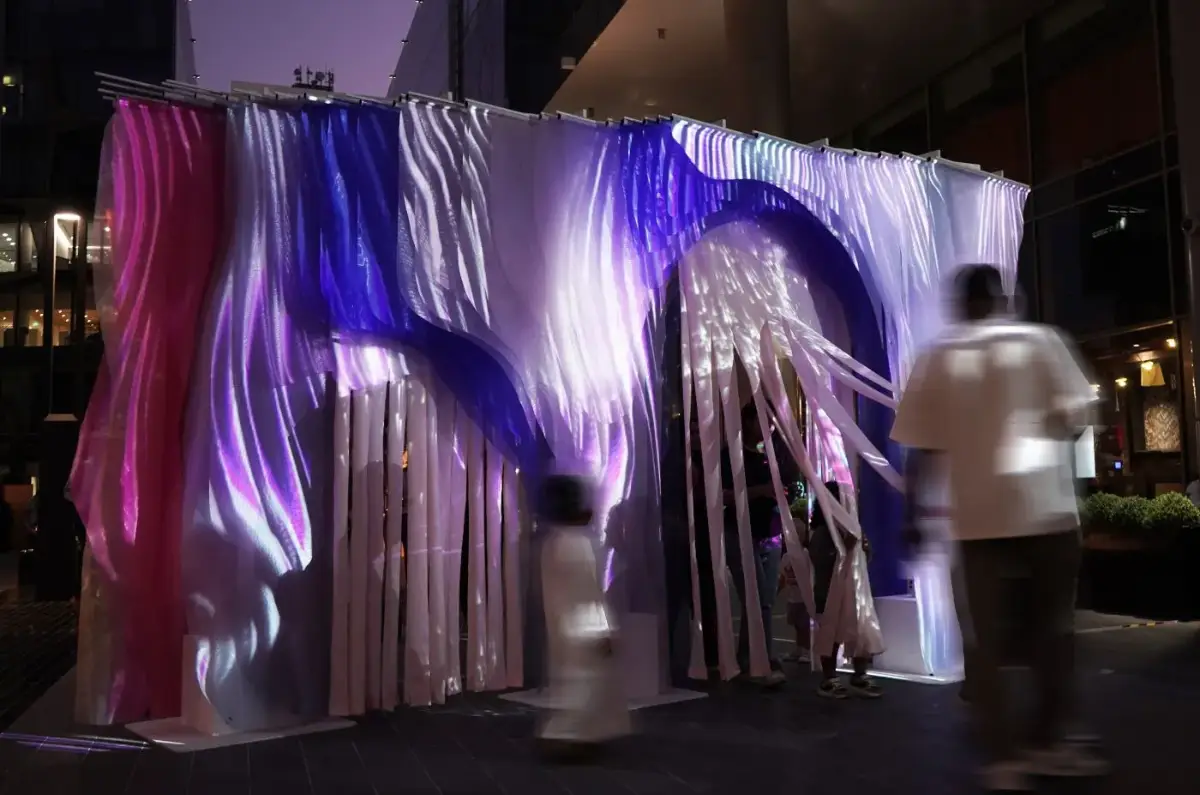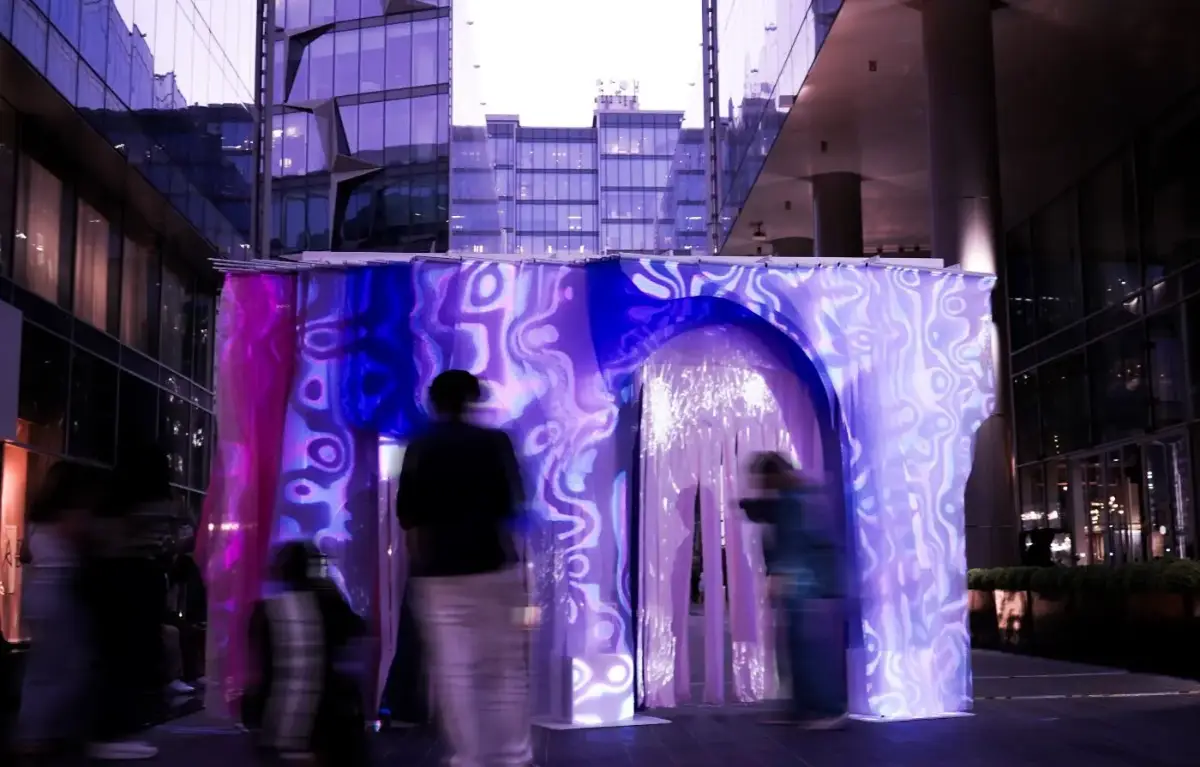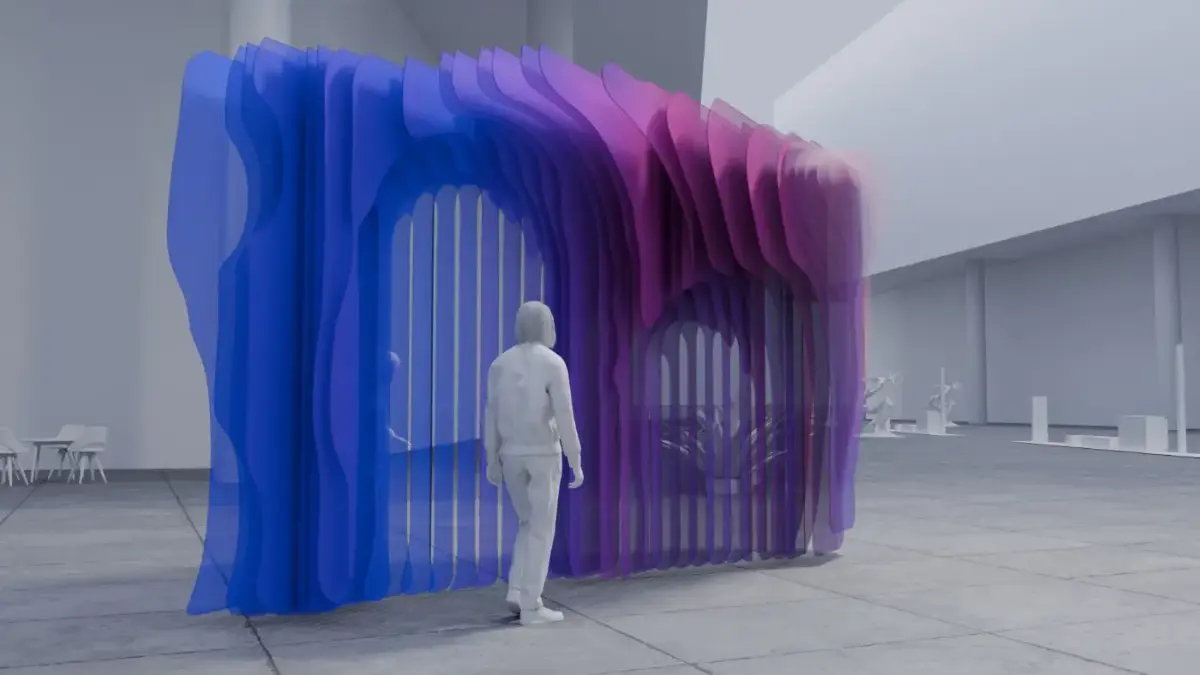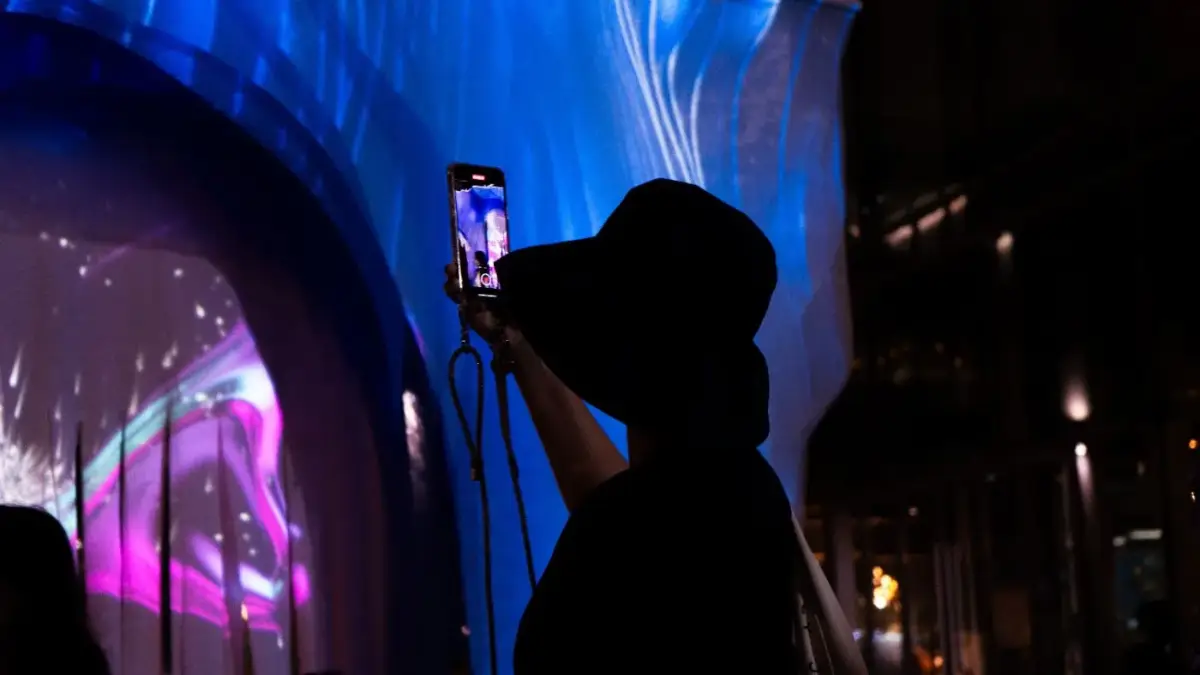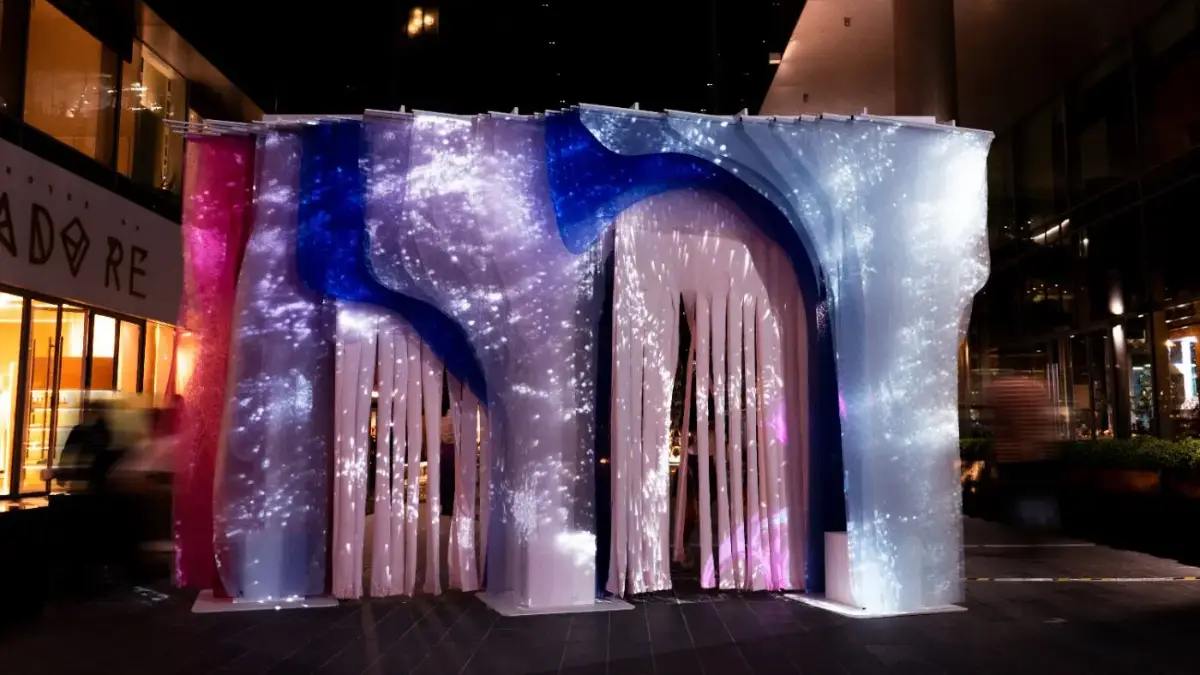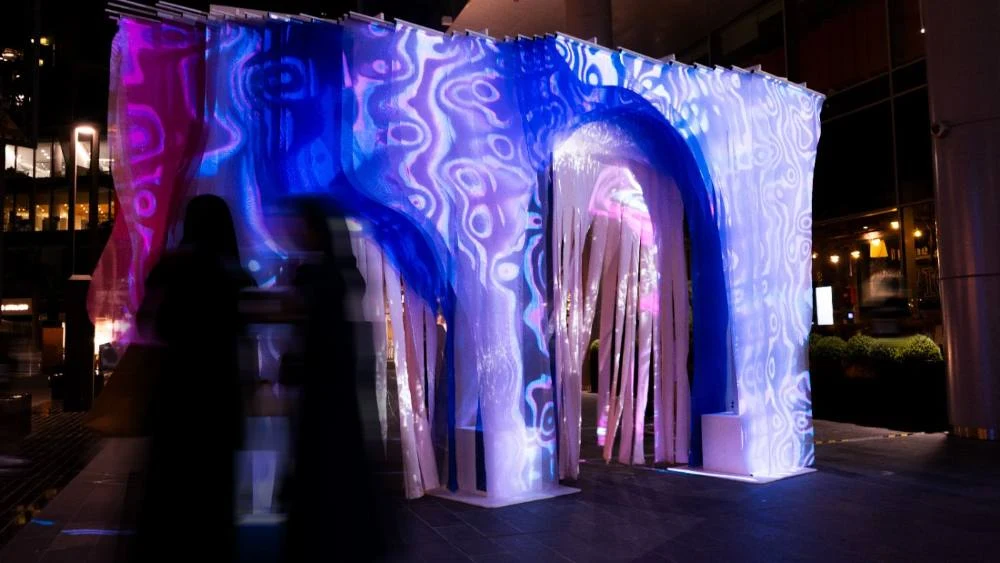
An immersive installation showcased at Dubai Design Week, designed to merge architecture, art and technology into a living spatial experience. A choreographed world of light, shadow and reflection that responded to movement and perspective.
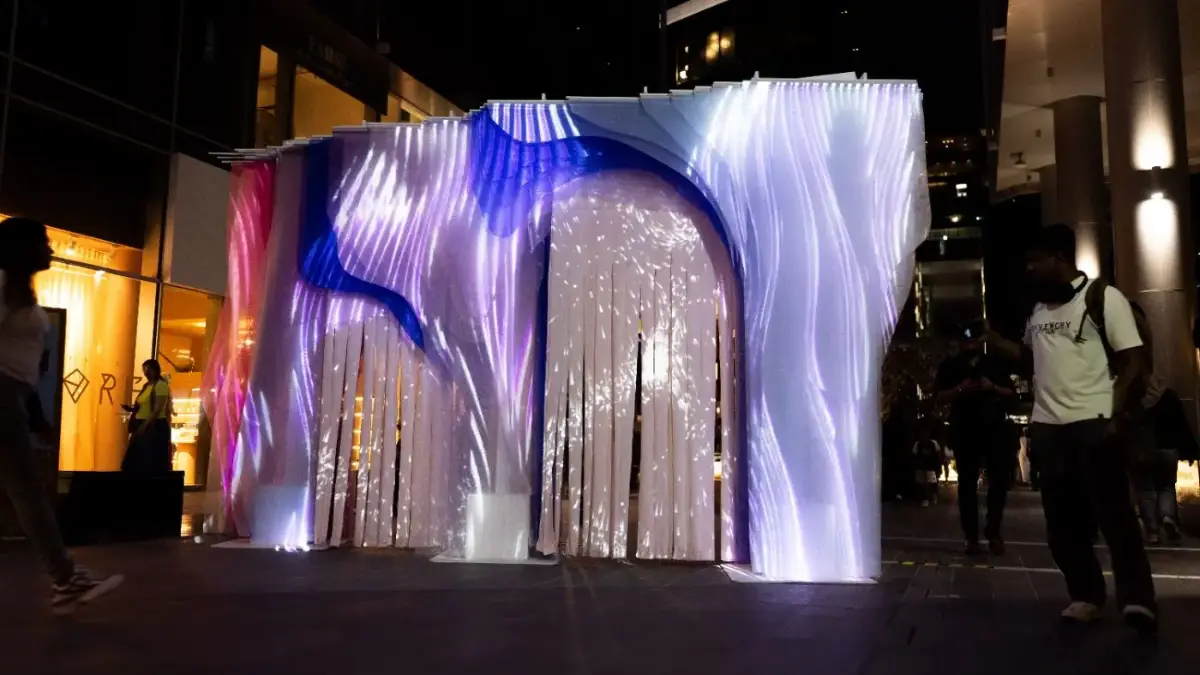
From across the courtyard the work does not read as an object. It reads as a change in the light, a soft field that keeps shifting, and that is enough to turn people toward it without a sign or a queue.
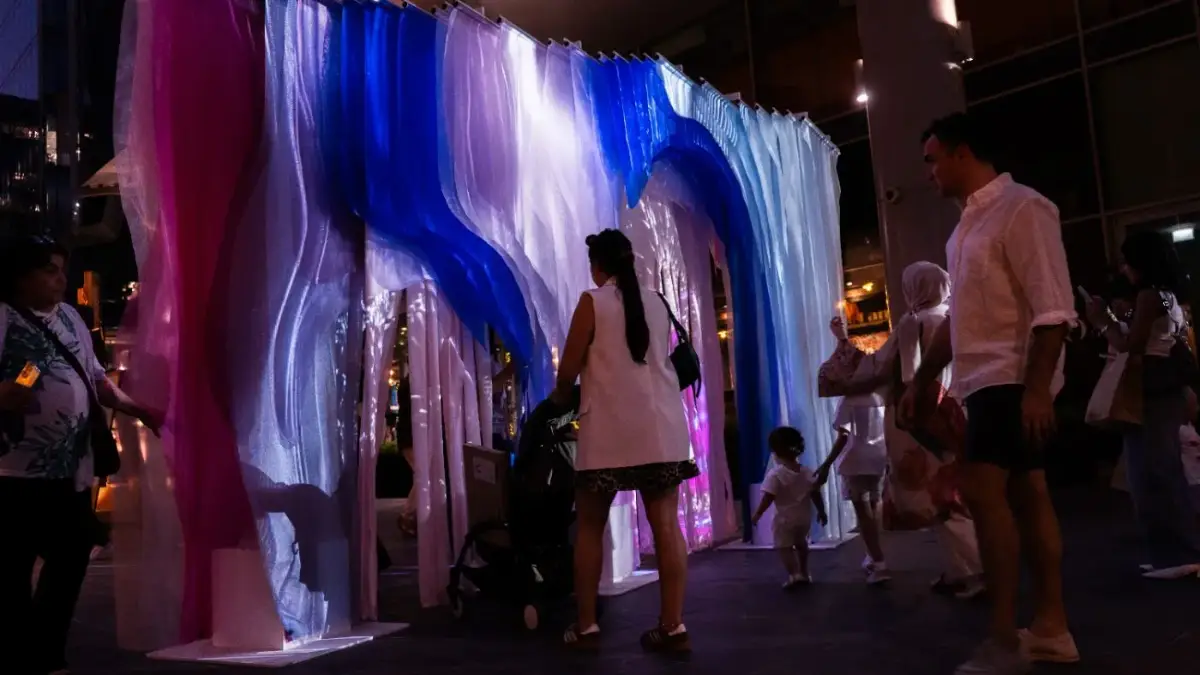
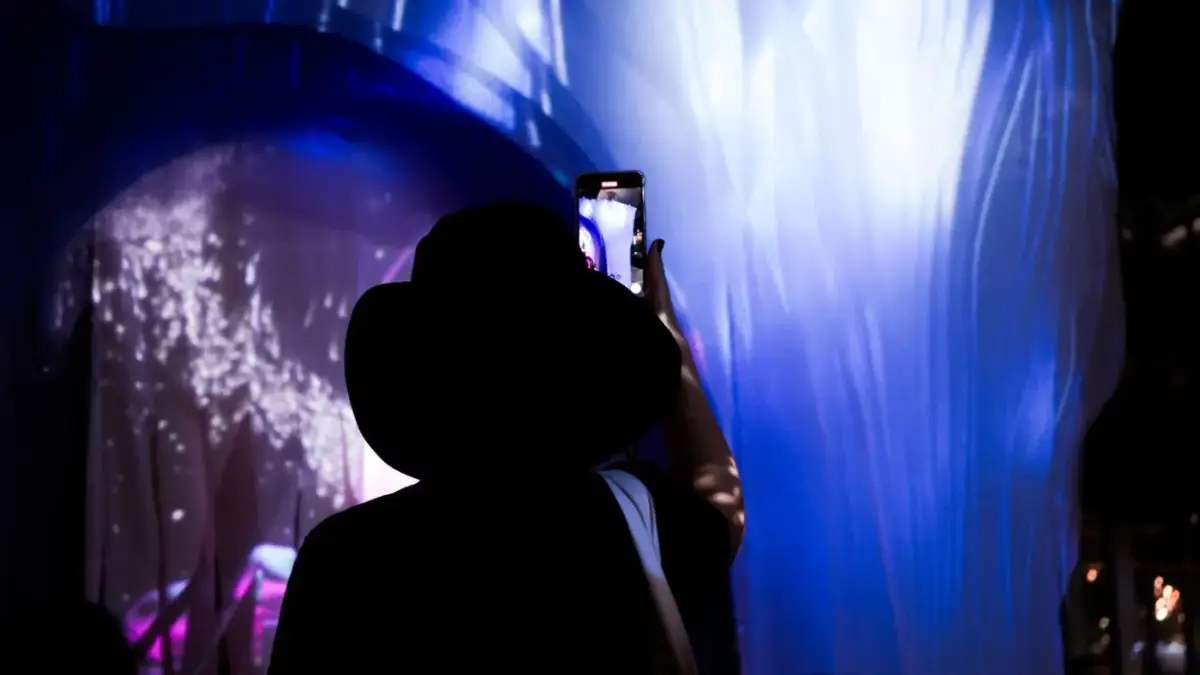
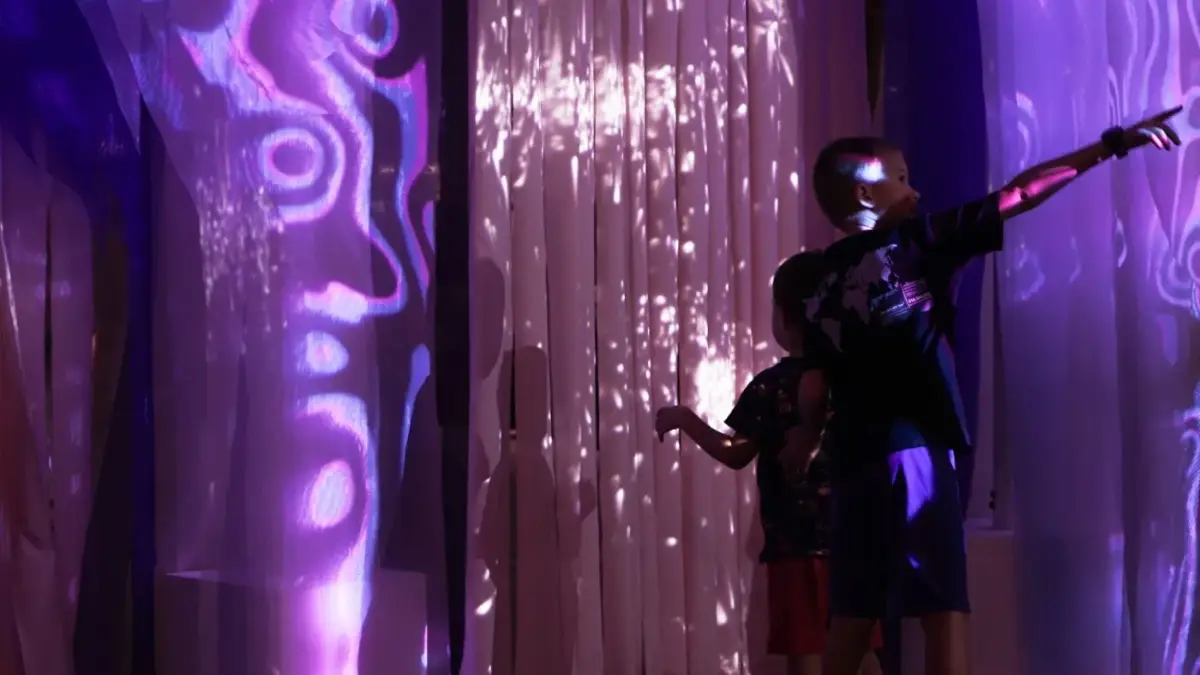
Close in, the illuminated planes resolve into individual surfaces and the cast pattern falls across the body. The visitor stops being an audience and becomes part of the composition, which is the moment the whole piece is built around.
Echoes of Light was an immersive installation showcased at Dubai Design Week, designed to merge architecture, art and technology into a living spatial experience.
Hybrid Xperience asked for something that could not be photographed in a single frame, a work that only resolves as you move through it. The brief was less about an object and more about a condition: a room that behaves.
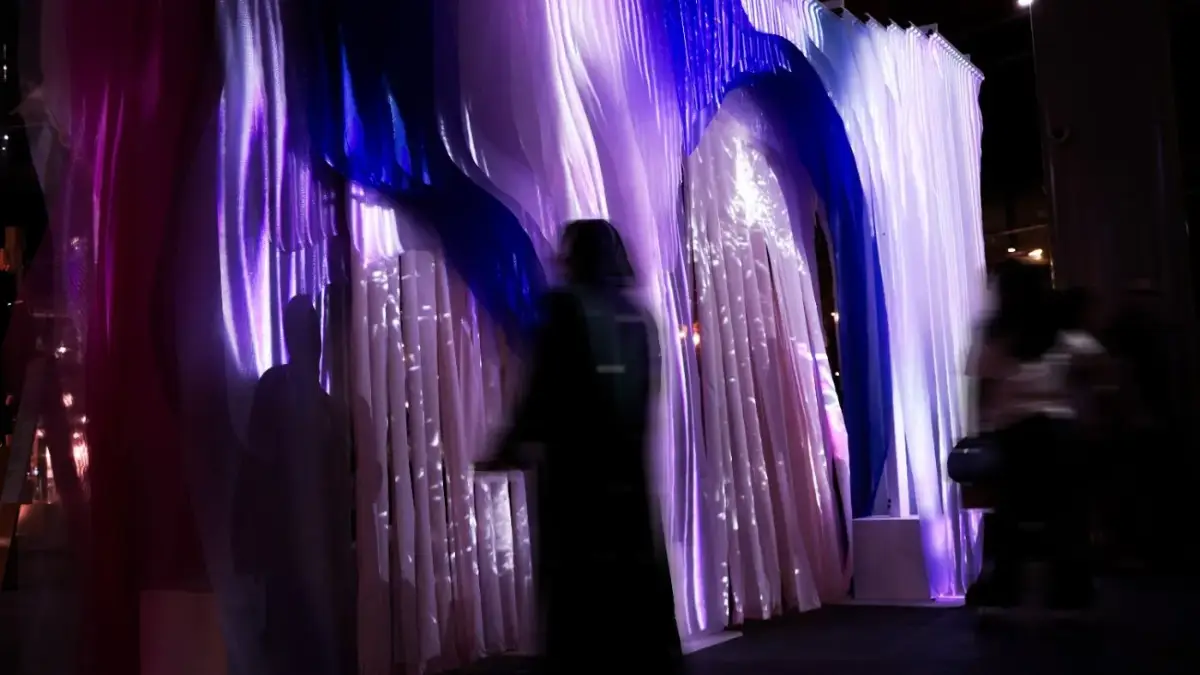
The work invited visitors to step into a choreographed world of light, shadow and reflection, a space that responded to movement and perspective. No two paths through the installation produced the same experience.
Inside the work, after darkDubai Design WeekWhat if light behaved the way memory does, intangible yet powerful, constantly shifting and reshaping the way we perceive our surroundings?
That single idea set every decision that followed. Through a carefully composed environment of illuminated planes and reflective surfaces, visitors experienced how light can transform space into a narrative.
Shadow was treated as material rather than absence. Reflection was treated as architecture rather than finish. Together they let a small footprint read as an endless one.


The installation was authored as a sequence. Each step through it changed the composition, approach, threshold, immersion, echo.

Before entry, the work reads as a glow, a soft, slowly shifting field visible across the hall. It draws people in without instruction: no signage, no queue, just a change in the light.

At the edge, the illuminated planes resolve into individual surfaces and the cast patterns land on the body. The visitor stops being an audience and becomes part of the composition.

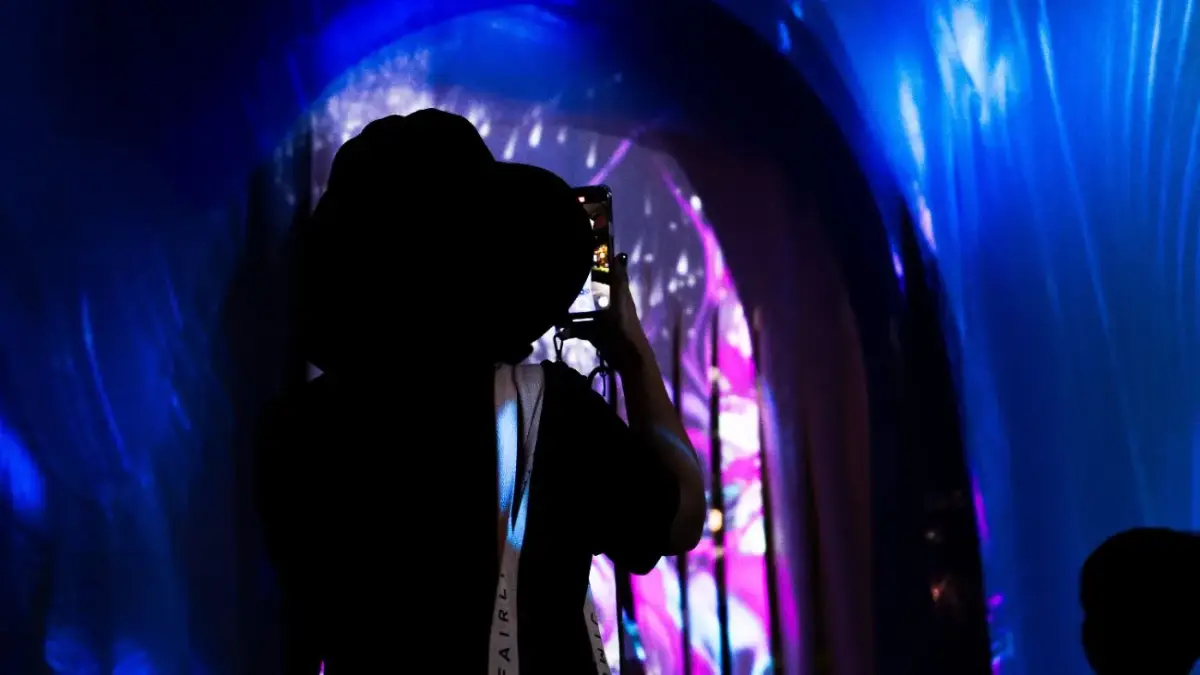
Within the work, light, shadow and reflection respond to movement and perspective. Reflective surfaces multiply the planes so the space reads far deeper than its footprint.

On exit, the pattern persists, an afterimage rather than an object. The work ends the way it began: as something remembered rather than something seen.
Procedural design workflows generated the plane geometries and light-catching patterns, then resolved them into buildable 3D models.
We iterated the system against simulated light until the cast shadow behaviour matched the intent, tuning density, spacing and angle rather than drawing each surface. The generative model was the design tool, not a rendering step.
The resolved geometry was translated into fabrication drawings and built structures, then installed and lit on site, a physical realisation of a system born in code.
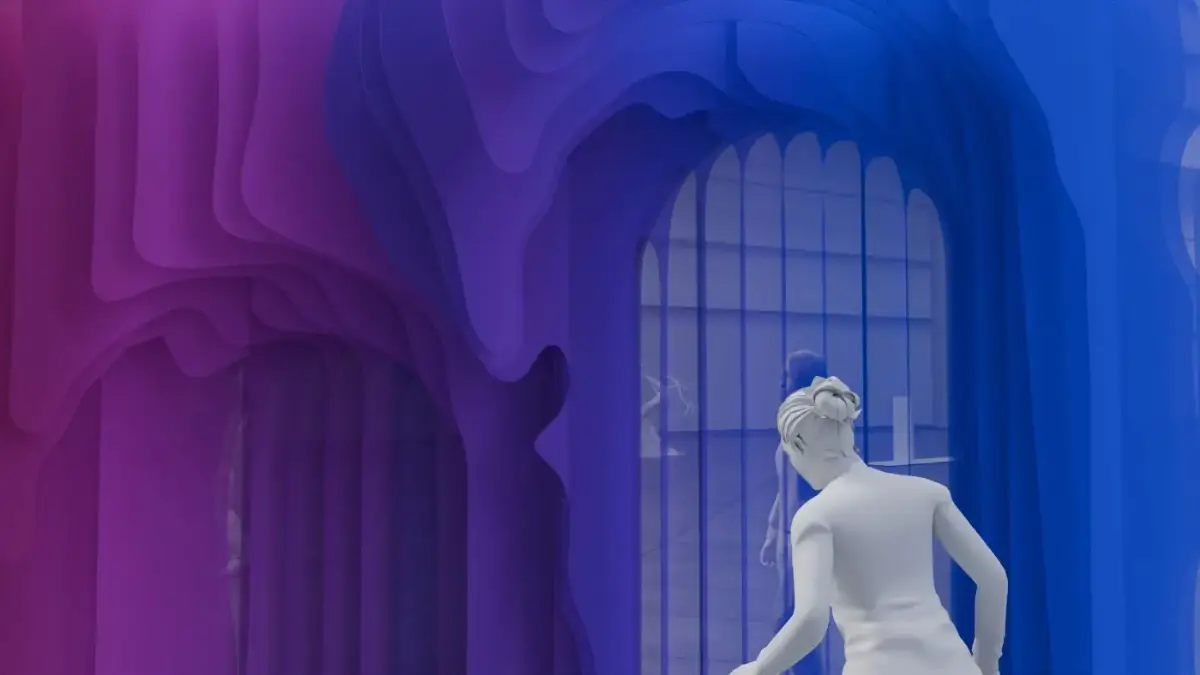
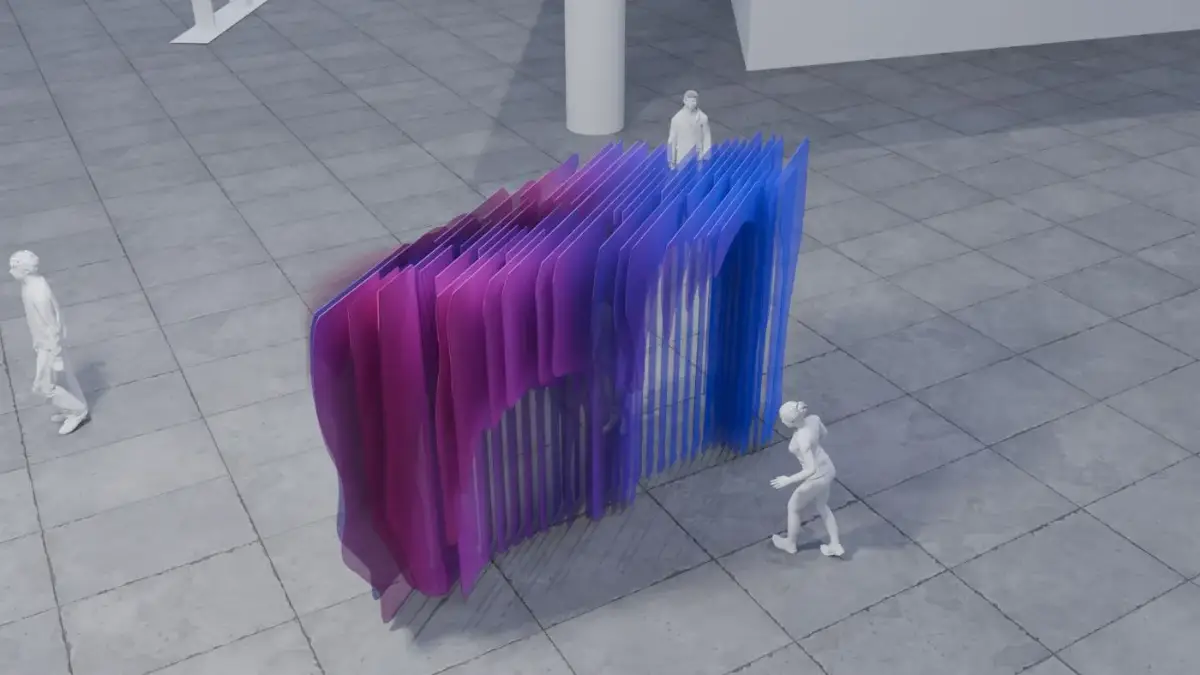
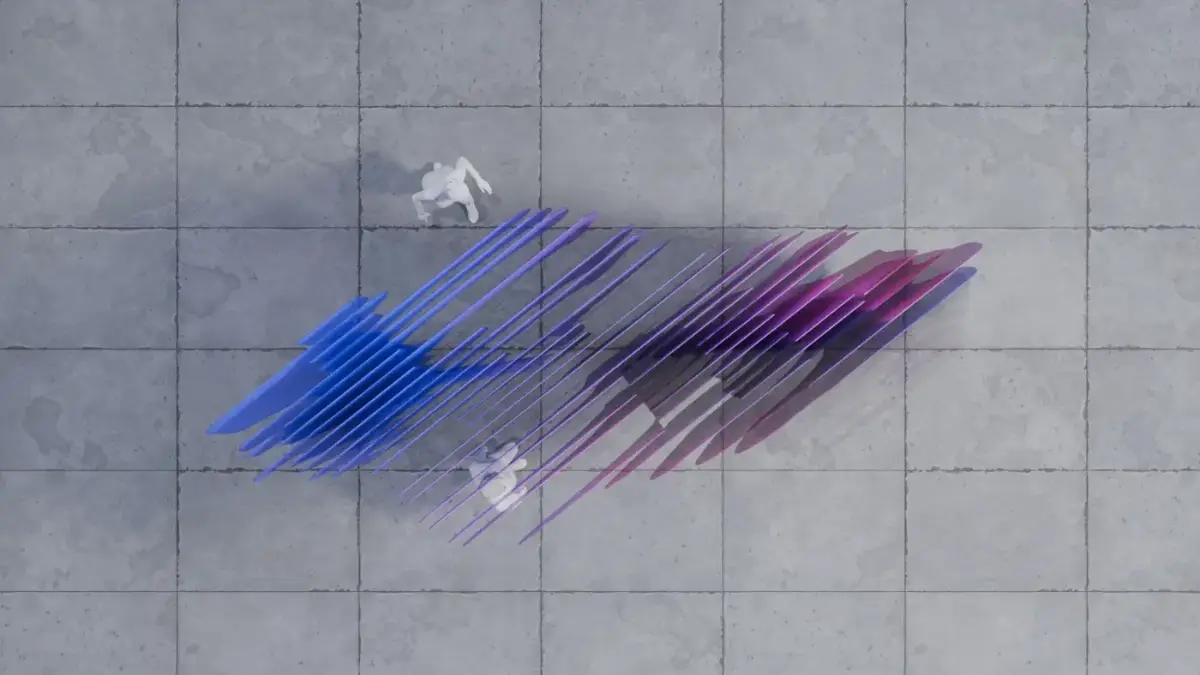
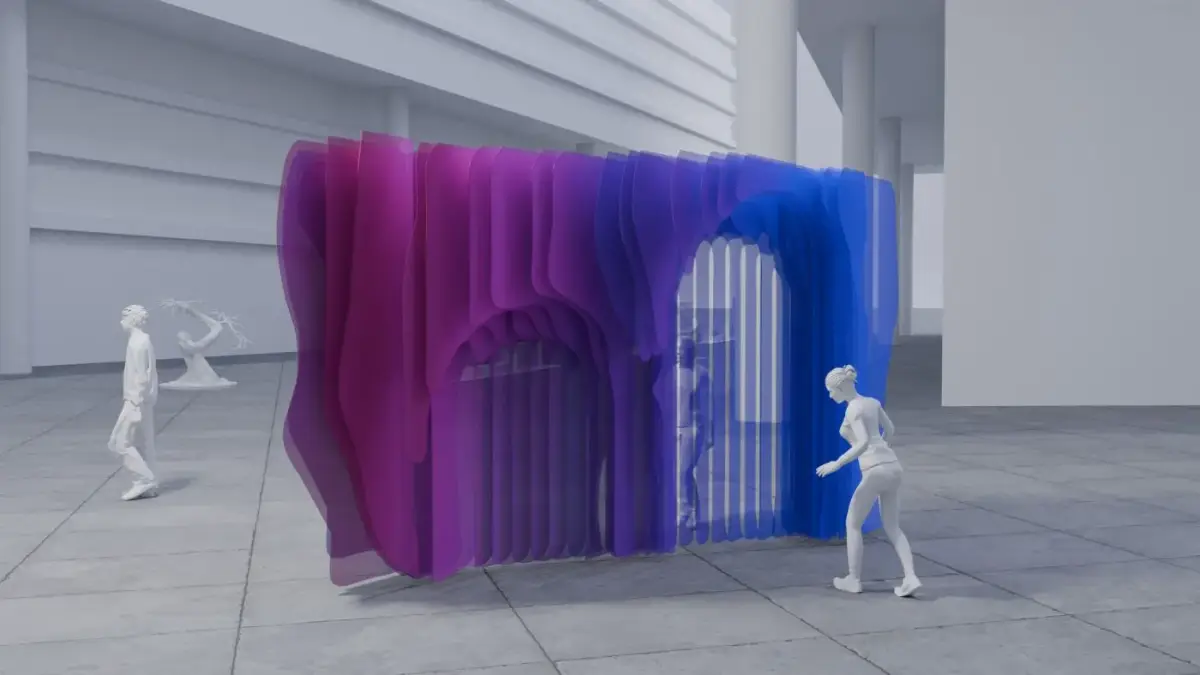
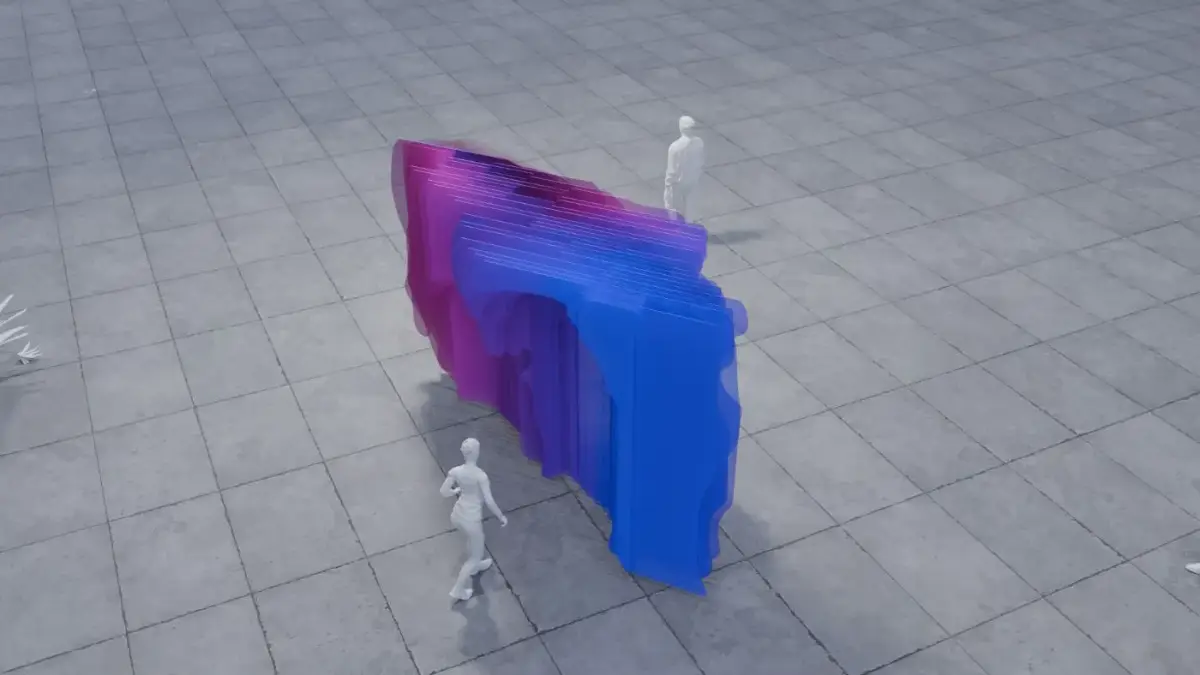
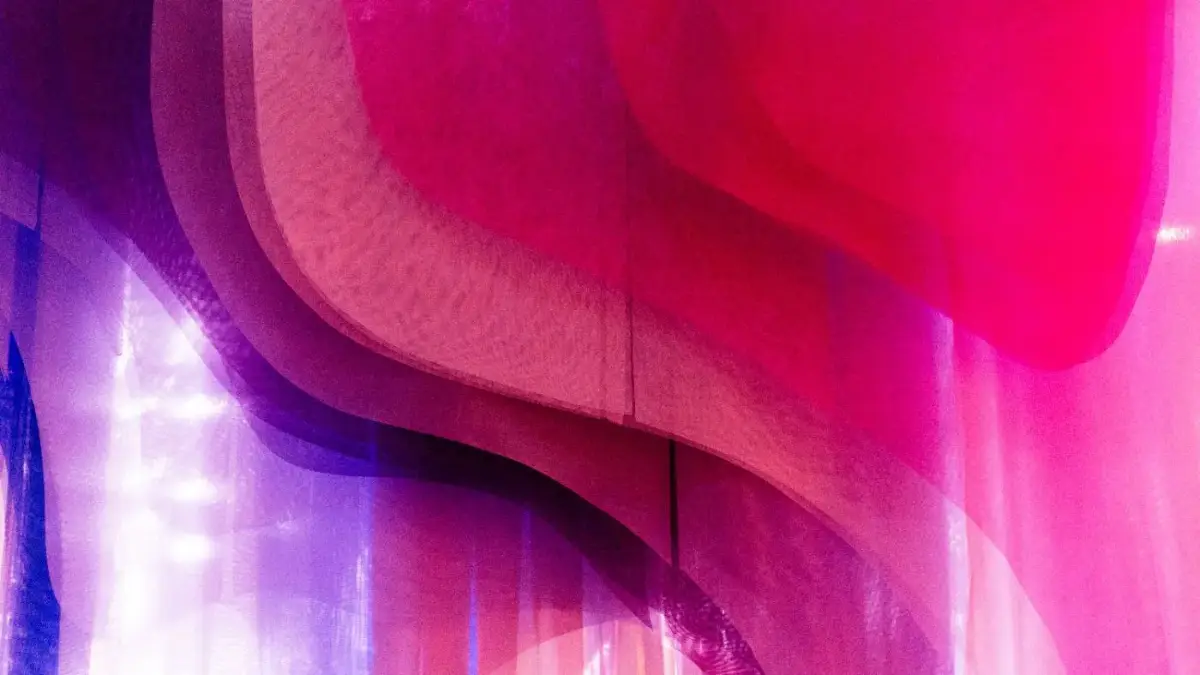
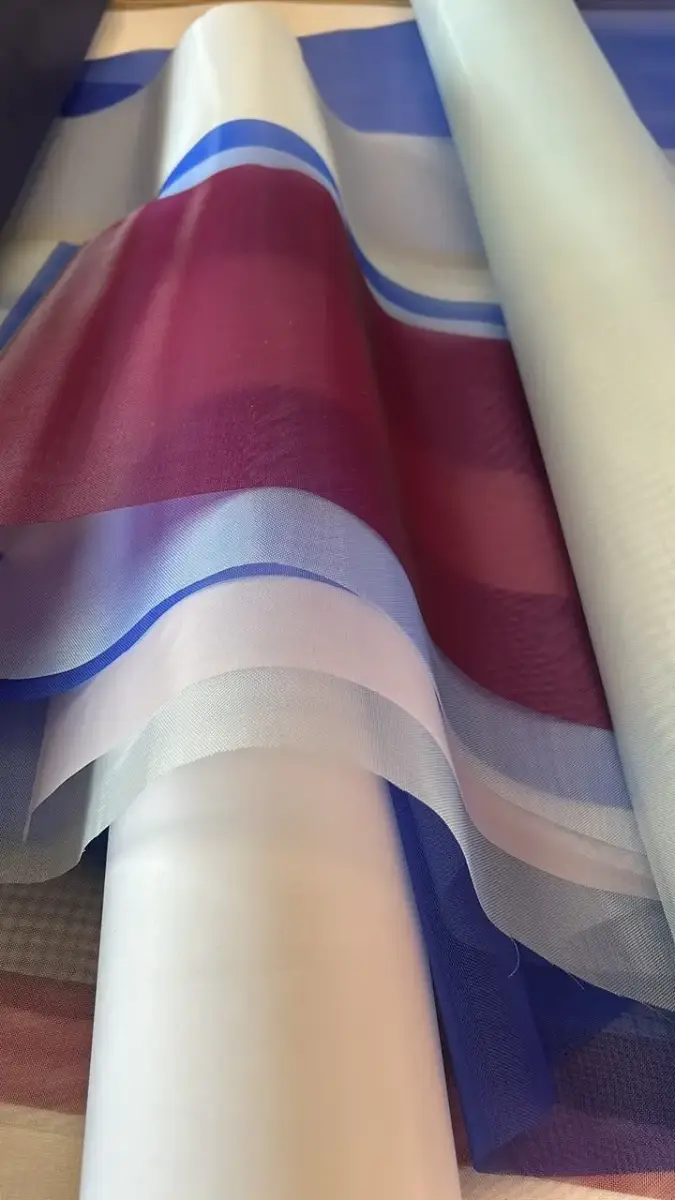
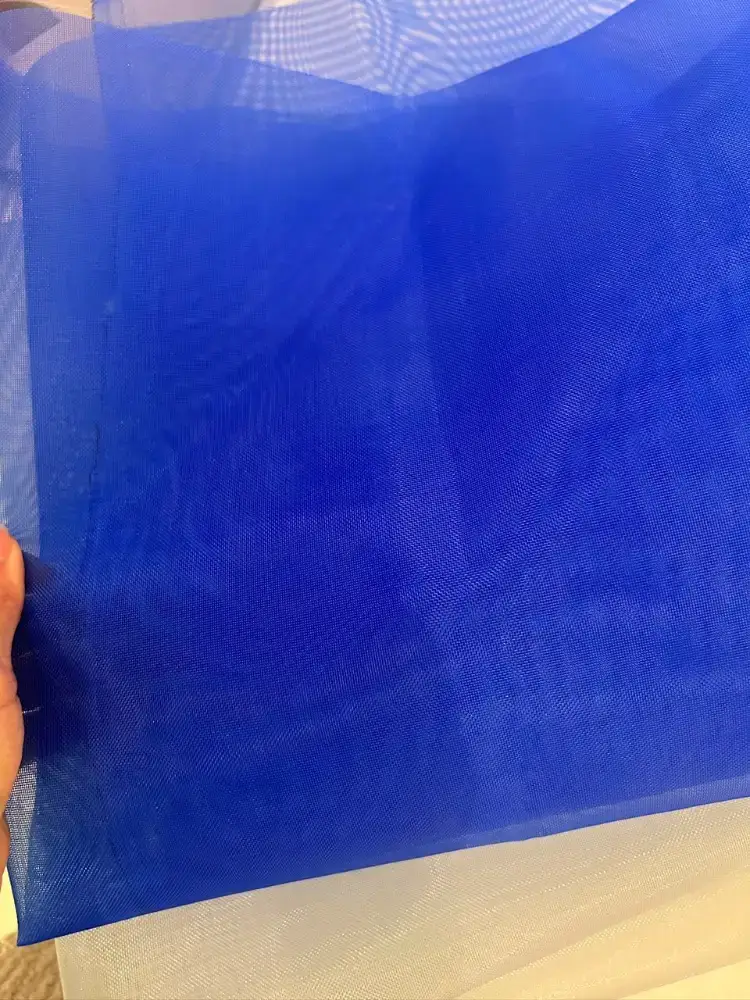
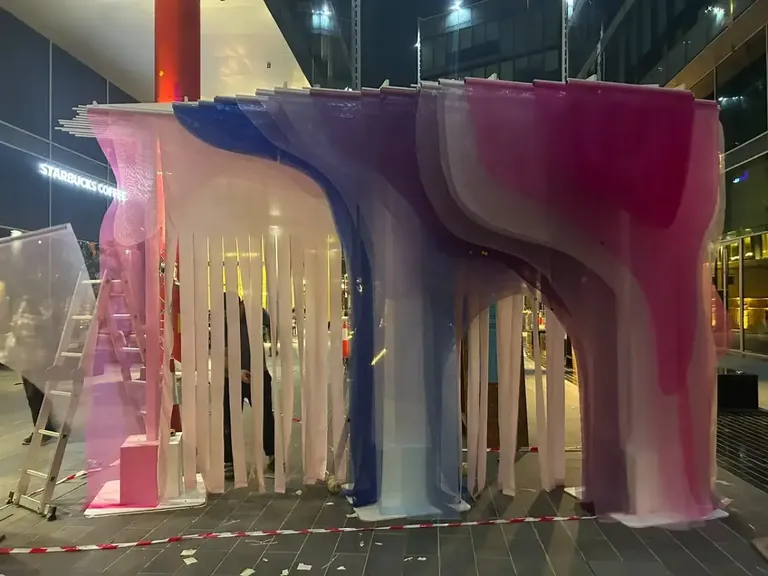
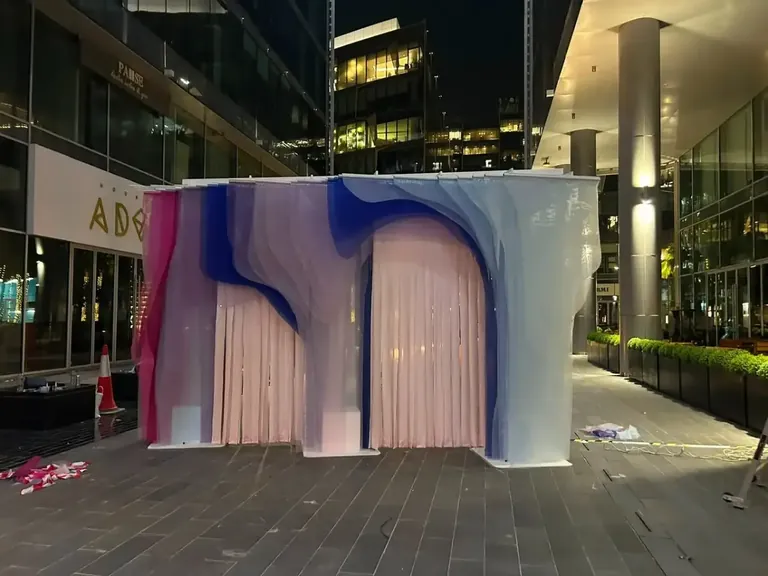
The finished piece is a stack of dyed mesh panels. Each one was unrolled from the model into a flat profile, nested for cutting, then hung from a timber grid so gravity gave it back its curve.
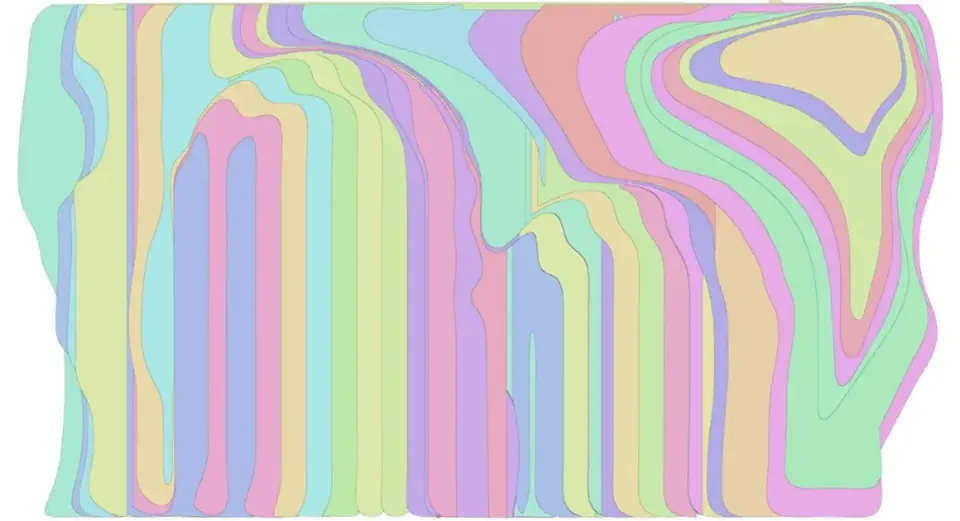
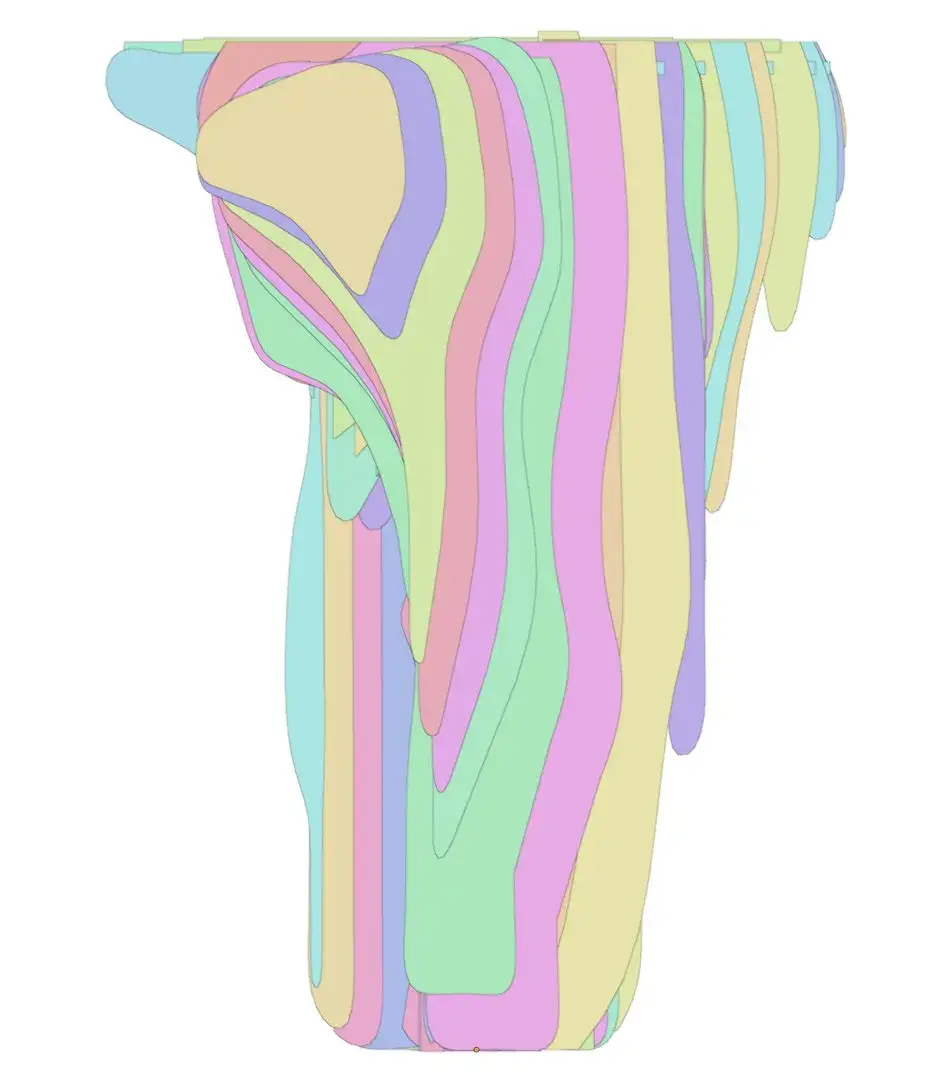
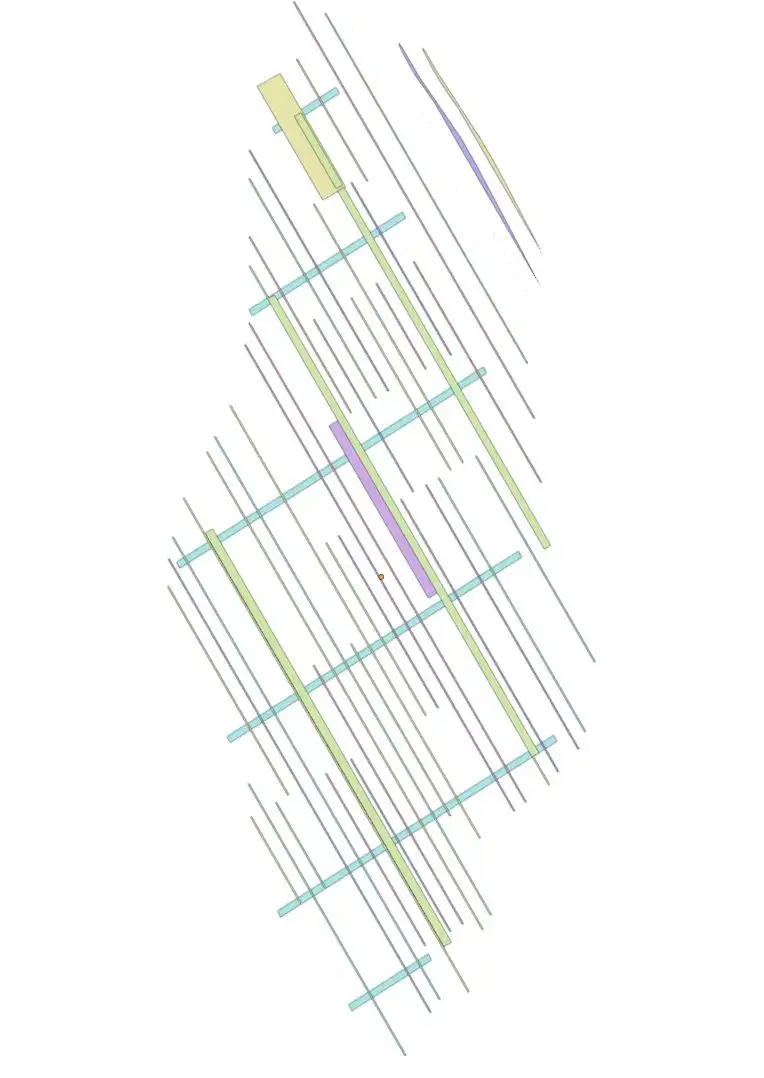
The drawings below are the working set: the nesting sheet that packs every panel onto the roll, the top view of the batten grid that carries them, and the layer elevation that fixes the order front to back. Colour in those drawings is sequence, not finish.
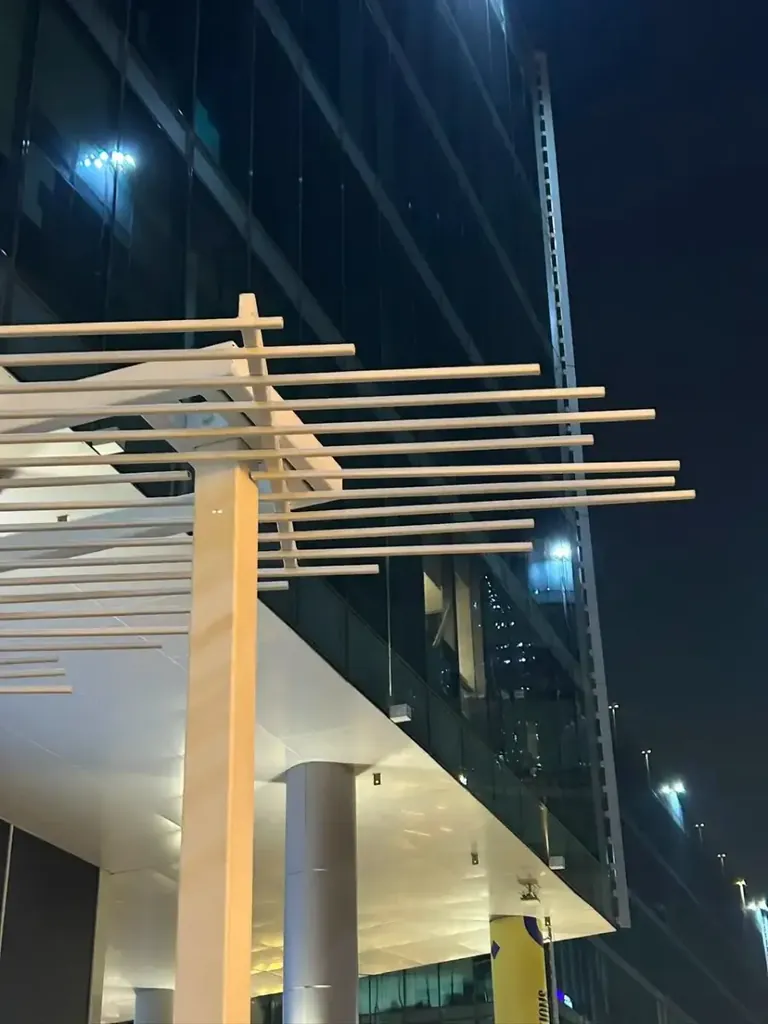
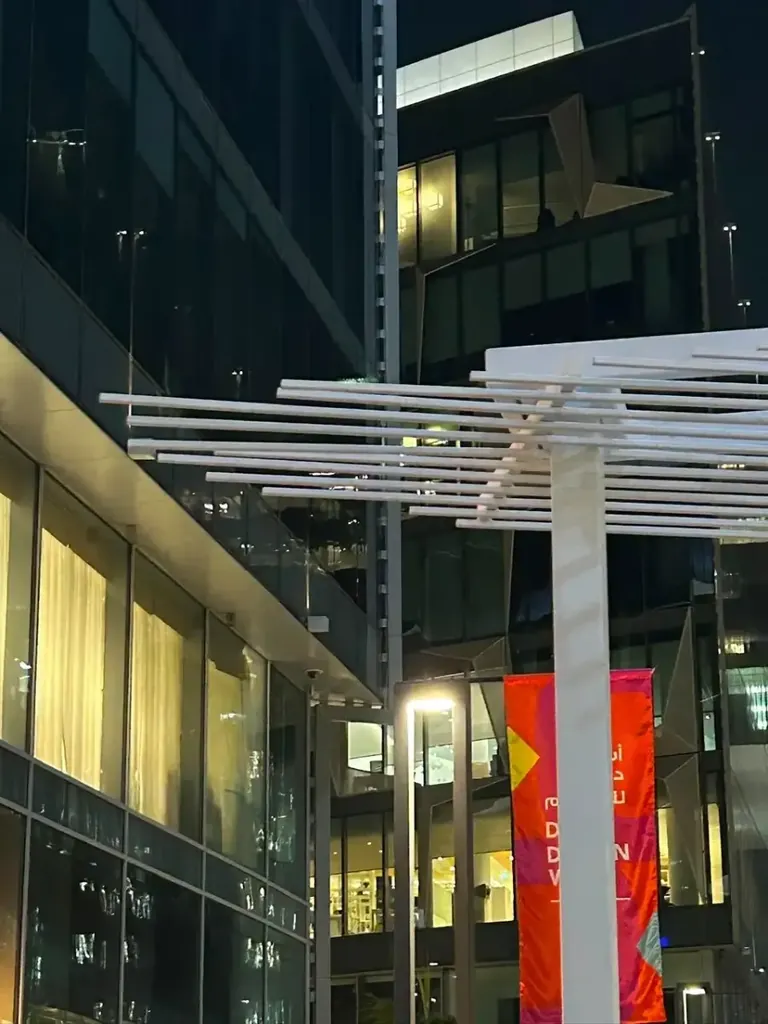
On site the structure went up first as a bare white grid, read as scaffolding until the mesh arrived. The panels were hung one at a time in order, and the piece only became itself once the last layer went on and the projectors were aimed.


Light is a memory, intangible yet powerful, constantly reshaping the way we perceive our surroundings.ILLUSORR / Creative Direction · Echoes of Light